
There is a proverb the elders whisper when the drums grow too loud: the hungry man does not dance long. He may start with enthusiasm, he may clap with the crowd, but somewhere between the rhythm and the reality, his stomach interrupts the celebration.
Nigeria approaches Workers’ Day this year with drums in the distance—and hunger in the room.
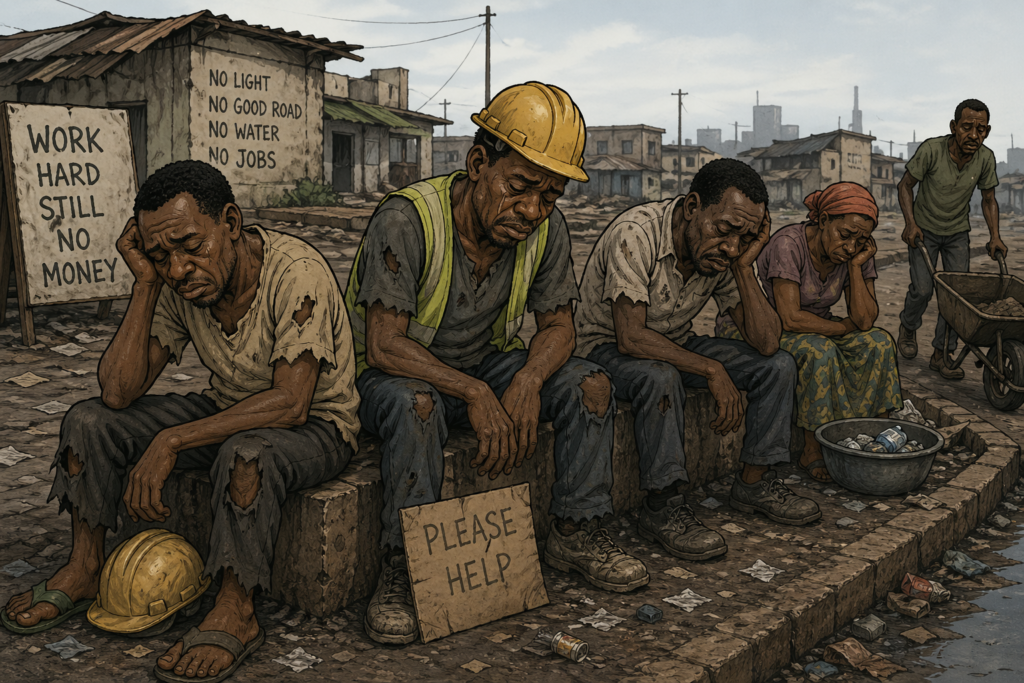
A nation’s worker is its thermometer. When the worker sweats without reward, the country is running a fever.
Today, the Nigerian worker is not merely sweating—he is dissolving.
The naira, once a modest guardian of value, has been stretched thin by policy and pressure. In mid-2023, it traded around ₦770 to the dollar; by 2025, it had weakened to about ₦1,500 and beyond (Economi Confidential). That is not just depreciation; it is a silent salary cut. What used to feed a family now barely feeds a week.
Government calls it reform. The worker calls it survival.
Then came the great economic surgery: fuel subsidy removal. A policy long prescribed, finally executed. But surgery, even when necessary, must heal.
Has it healed?
Transport costs surged. Food prices followed. Even air travel trembled as jet fuel prices jumped by as much as 270%, forcing emergency government intervention (Reuters). When transport becomes a luxury, the worker’s world shrinks. Distance becomes poverty.
The promise was that subsidy removal would free funds, stabilize the economy, and reduce waste. Yet, the worker looks around and sees no visible dividend—only a more expensive life.
Reform without relief is punishment dressed as policy.
And then there is the matter of debt—the quiet guest that has become the landlord.
Nigeria’s total public debt has climbed toward the region of ₦159 trillion by the end of 2025 (ICIR News). In just two years, tens of trillions were added, driven by deficits, currency weakness, and the cost of keeping government afloat (Economi Confidential).
Borrowing is not a sin. But borrowing without visible productivity is a question.
Even as new loans are sought—for highways, for infrastructure, for survival—the worker wonders: who will pay? (Reuters)
The answer, as always, hides in plain sight: the future worker.
Inflation, that invisible tax, continues its quiet assault. Prices rise faster than wages can chase them. Transport climbs. Food follows. Life becomes arithmetic without solution. Nigeria’s inflation still hovers around 15% in 2026, with transport and food leading the climb (Trading Economics).
A worker who cannot plan beyond today is not part of an economy; he is trapped in it.
Yet, the government speaks of growth. Targets of 7% by 2027. Stability. Investor confidence. Macroeconomic balance (Reuters).
All noble.
But the worker does not live in macroeconomics. He lives in micro-survival.
Growth that does not reach the kitchen is theory.
So, what does Workers’ Day mean in this moment?
It is no longer just a celebration of labour. It is a referendum in disguise.
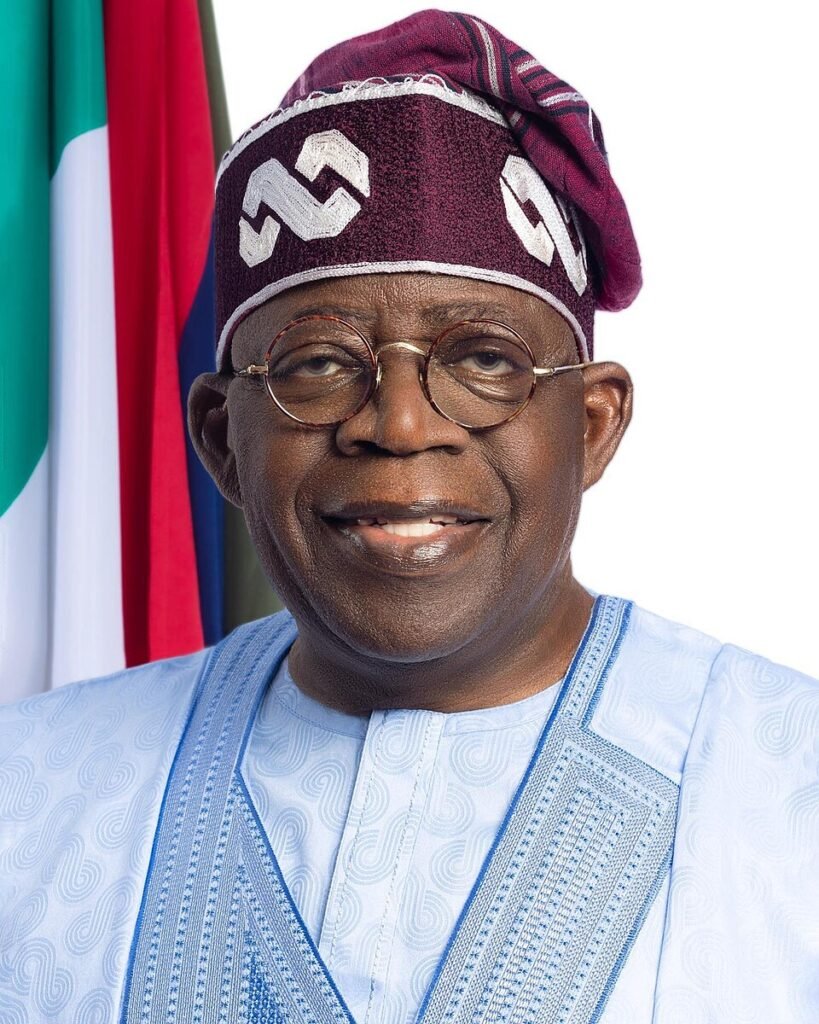
The ruling party, the All Progressives Congress, and President Bola Ahmed Tinubu stand at a crossroads shaped not by speeches, but by stomachs.
Elections in Nigeria are often loud. But decisions are quiet.
A worker who cannot afford transport to work will remember that in the ballot box.
A salary that evaporates before mid-month will speak in silence.
A promise that does not translate to food will become protest—if not on the street, then at the polls.
History offers its own warning: governments do not fall only when people shout. They fall when people withdraw belief.
The danger for power is not anger. It is fatigue.
If the current economic direction begins to yield visible relief—stable currency, real wage value, affordable living—then the worker may endure. Nigerians are patient people. They have endured worse.
But if the present hardship stretches into habit, then Workers’ Day 2026 may become something else entirely: the beginning of a quiet reconsideration.
The worker is not asking for miracles.
He is asking for a country where effort still means something.
Where a day’s work can still buy a day’s dignity.
And so, as May Day approaches, the banners will rise, the speeches will flow, and the leaders will assure.
But somewhere in the crowd, a worker will be thinking—not of today’s march, but of tomorrow’s vote.
Because in the end, democracy has its own proverb:
The hand that labours also decides.